
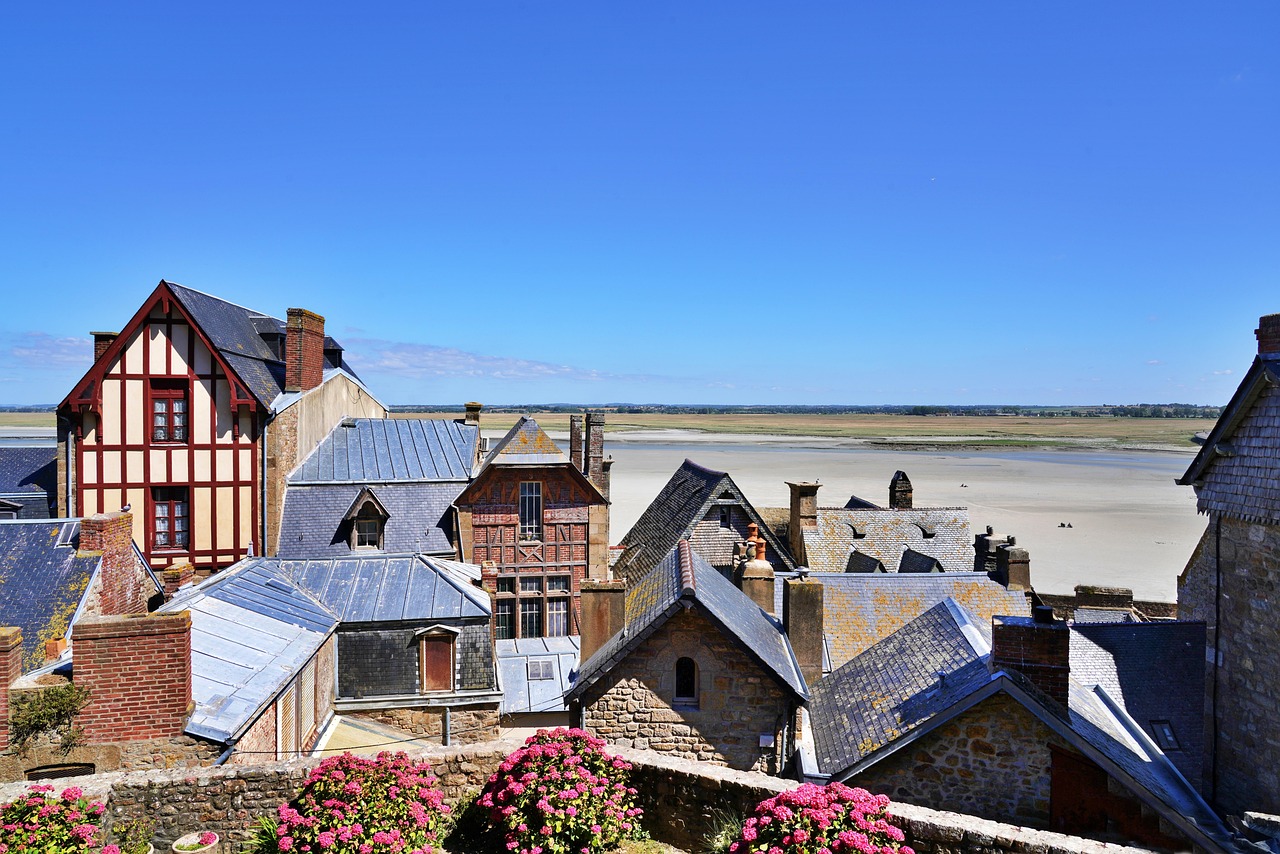
Short answer : look at the towns along RER A, RER B and RER C that sit on the edge of a forest or a park, and stop obsessing over the distance in kilometres. What matters is how long the door-to-door trip takes, and how often the trains run. Calm and a short commute can go together, but you will pay for it somewhere else, usually in square metres.
Not sure where to start ? The Bièvre valley south-west of Paris is a good place to begin, and a site like https://www.vivre-a-igny.fr gives a good feel for what a quiet, green town in the Essonne looks like day to day. Keep that kind of profile in mind while you read : a small centre, woods nearby, a station within reach.
What does “calm” actually mean for you ?
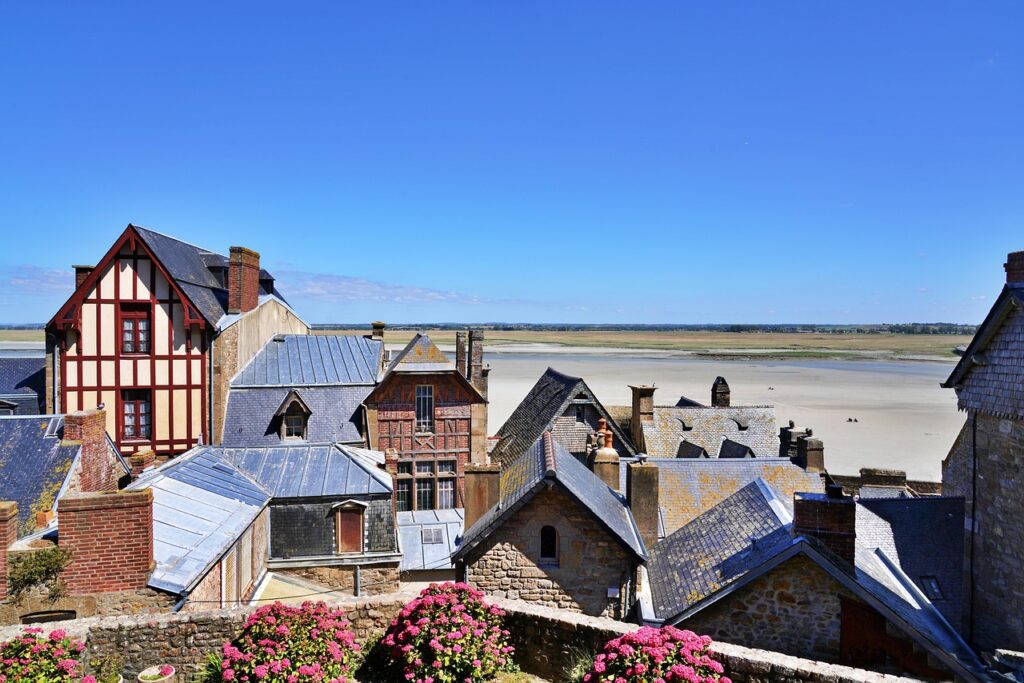
Everyone says they want calm. Few people define it. Is it the absence of traffic noise ? A garden ? Neighbours who don’t blast music at midnight ? Being able to walk to a bakery without crossing a four-lane road ?
Pick two or three of these before you look at a single listing. Honestly, it saves a lot of time. A town can be perfectly peaceful and still be a bad fit if the nearest station is a 25-minute walk away.
Commute time : the real number is door to door
Here’s the trap. Someone says “I’m 35 minutes from Paris” and means the train ride only. Add the walk or bus to the station, the wait on the platform, and the metro change at the other end. Suddenly you’re at an hour.
So test it yourself. Take the route at 8 am on a weekday, not on a Sunday. Perso, I think this is the single most useful thing you can do before signing anything. Also check how often the trains run in the evening and what happens when a line has problems. Some branches are far less frequent than the main trunk.
One good thing : the Île-de-France transport pass covers the whole region at a flat monthly price, so living farther out does not mean paying more for transport. That makes the zone-by-zone budget much easier to plan.
The towns worth a serious look
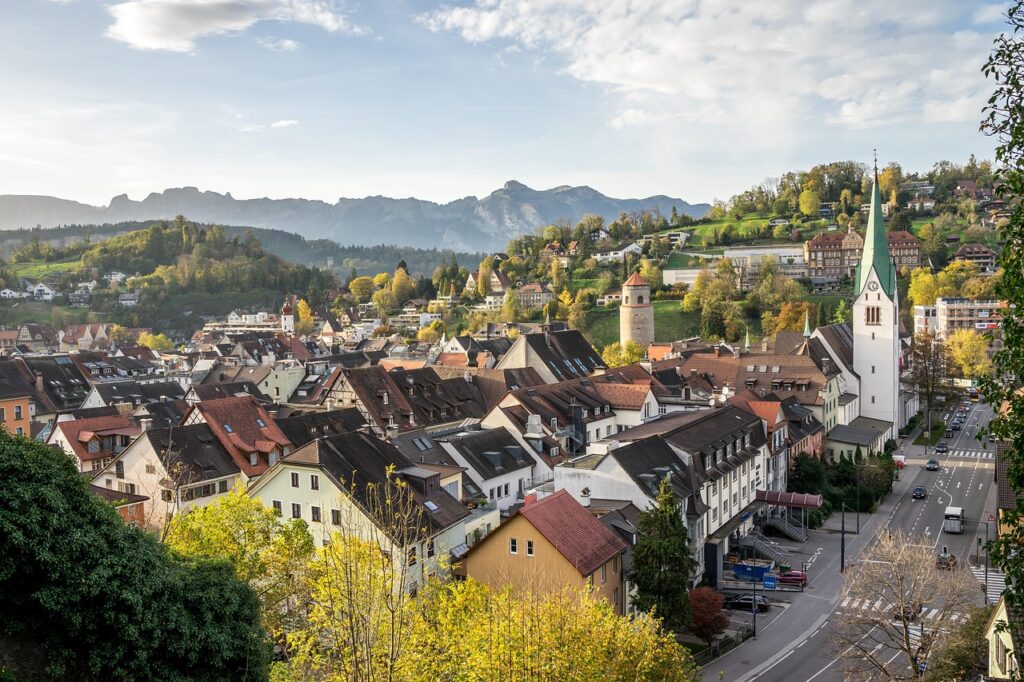
Le Vésinet (RER A). This one is a bit special. The town was laid out as a garden suburb, with winding streets, villas and artificial lakes. It is calm, very green, and well connected to the centre of Paris. The catch ? Prices reflect it. Is it worth it ? If your budget allows, yes, absolutely.
Maisons-Laffitte (RER A). Next to a forest, known for its racecourse, and with a town centre that feels more like a small city than a dormitory suburb. It’s a good choice if you want a peaceful base but still like having shops and a market close by.
Sceaux (RER B). Home to the Parc de Sceaux, which is a big deal for walking or running. The town is quiet, residential and well kept. Not cheap, though, and the housing stock is limited, so you may need patience.
Meudon (Transilien N and other lines). It is right beside a large forest, and it’s closer to Paris than most people imagine. The town is hilly, so the views are nice but your legs will notice. Check the station location carefully, because the town is spread out.
Orsay, Gif-sur-Yvette, Bures-sur-Yvette (RER B). A greener, more relaxed corner of the south-west, with valleys and plateaus around them. The university area gives a young crowd and some life, but you are further out, so commute times go up. Better value for money here, though.
The Bièvre valley (Essonne and Yvelines border). Small towns like Igny sit in a pleasant, wooded valley and have a village feel. Massy-Palaiseau is nearby and is a big interchange where several RER lines and fast trains meet, which is handy if you travel for work. Check your specific address against the station though, as it varies a lot from one street to the next.

Who should choose what ?
Families : Le Vésinet, Maisons-Laffitte, Sceaux. Good schools in the area, parks, and space for kids to play outside. You’ll pay for it, no way around that.
Remote workers : Look at the Bièvre valley or the RER B towns further south. You go to Paris two or three days a week, so a slightly longer commute is fine, and you gain a lot in space and calm.
Young professionals on a budget : Orsay, Gif or Bures. Not glamorous, but quieter and cheaper than the inner western suburbs, with decent train access.
Retirees : Think about services first. Is there a doctor within walking distance ? A market ? Flat streets ? Meudon’s hills could be a problem later on. Sceaux or Le Vésinet are easier to live in without a car.
Mistakes to avoid
Choosing by the map only. A town that looks close can be a nightmare to reach if the line is slow or irregular.
Visiting on a Sunday. Everything is peaceful on a Sunday, everywhere. Come back on a weekday evening and on a Saturday morning. Listen. Is there a road nearby ? A railway line ? Planes overhead ?
Forgetting the car. Some of these towns are fine without one, others really aren’t. Be honest about how you’ll do your groceries and school runs.
Ignoring the price per square metre. The quiet places near the forest are rarely the cheapest, and you may be tempted to stretch your budget. Don’t. A smaller place in a good location often beats a big one in the wrong spot.
Quick answers
Can you really find calm close to Paris ? Yes. Towns beside forests and large parks, especially in the west and south-west, offer a lot of quiet within a reasonable commute.
What’s a reasonable commute ? It depends on you, but many people draw the line at around 45 minutes door to door. Beyond that, it starts to wear you down.
Is it cheaper to live further out ? Generally yes for housing, and the regional transport pass keeps the cost of getting around fairly stable. But a longer commute costs you time, and that matters more than people expect.
Where should you start ? Pick three towns from this list, do the commute at rush hour, and walk around each one on a weekday evening. You’ll know very quickly which one feels right.